
H1 H2 H3 H6
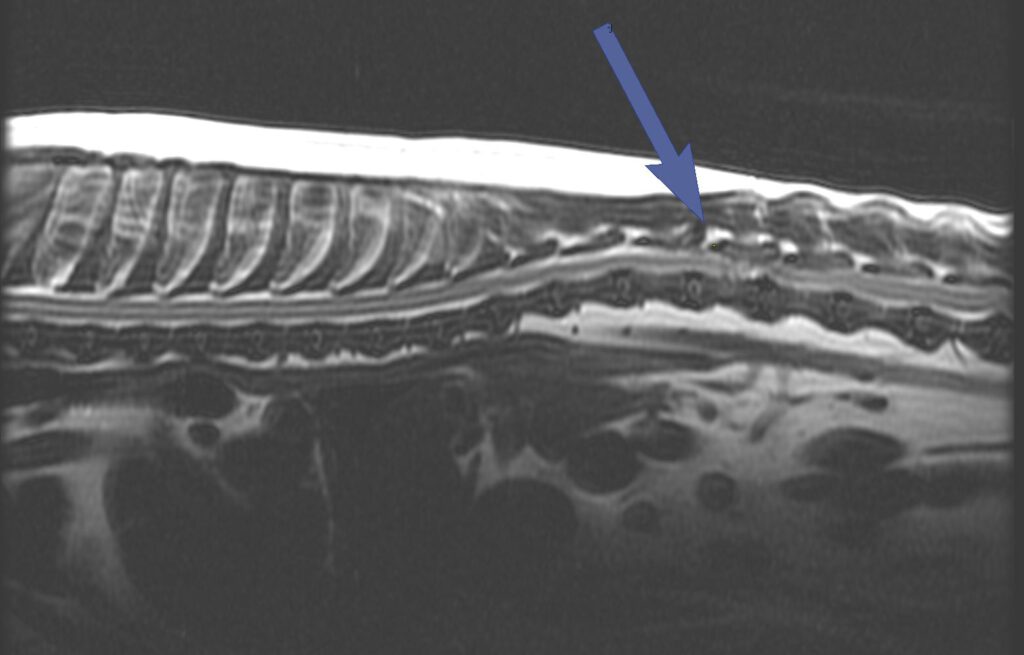
What is a stroke in a dog?
Although strokes most often affect older dogs, it should be remembered that this problem can occur in a dog of any age.
How to recognize a stroke in a dog?
– Sudden difficulty moving: This may appear as an inability to walk, walking in circles, difficulty maintaining balance, paresis or paralysis in one or more limbs.
– Motor coordination disorders: Your dog may seem unable to maintain balance, and its movements may be clumsy or uncertain.
– Unusual behavior: This may include behavioral changes such as disorientation, reduced response to external stimuli, decreased interest in the surroundings, or aggressive or anxious behavior that is unusual for the dog.
– Vision disorders or abnormal responses to visual stimuli: Your dog may have difficulty seeing, may be unresponsive to visual stimuli, or may react unusually to moving objects.
– Changes in swallowing function: This condition may manifest as difficulty eating or drinking, snoring, coughing, or even difficulty making sounds.
– Epileptic seizures: Some dogs may experience epileptic seizures as a result of a stroke.
How to treat stroke in a dog?
– hyperadrenocorticism (Cushing’s disease),
– chronic kidney failure,
– arterial hypertension,
– diabetes,
– hypertriglyceridemia and hypercholesterolemia,
– parasitic diseases, including angiostrongylosis and dirofilariasis,
– hypothyroidism (mainly dogs),
– hyperthyroidism (mainly cats),
– cardiomyopathy (mainly cats),
– use of certain medications.
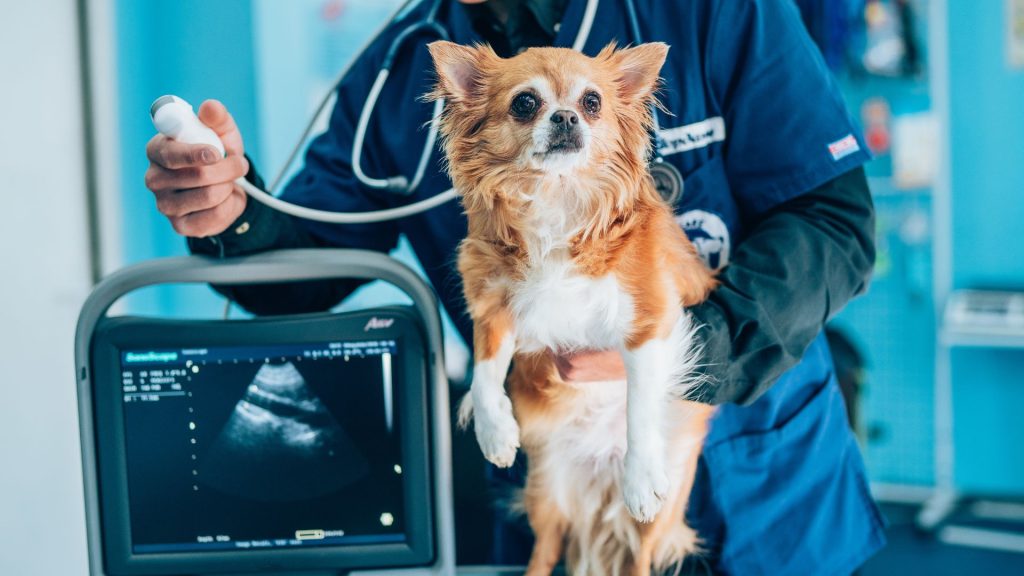
If you suspect that your dog may be having a stroke, contact a veterinarian immediately or go to the nearest veterinary clinic – a stroke is an emergency condition requiring immediate medical intervention. Avoid giving any medication to your dog without prior consultation with a doctor. Quick action can significantly reduce the effects of stroke and increase the animal’s chances of full recovery.